Crypto Ledger Phishing Protection: Threat Defense Guide
Identify fake apps, verify official software, and defend against scams.
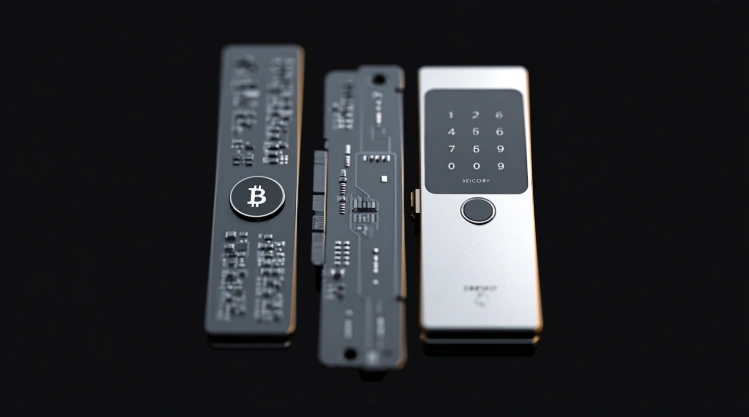
Crypto Ledger Phishing Protection encompasses multiple defense mechanisms designed to identify and defeat fraudulent attempts to steal cryptocurrency through deception. Phishing attacks represent one of the most significant threats facing cryptocurrency users, with attackers creating fake websites, counterfeit applications, and impersonation communications designed to trick users into revealing recovery phrases or authorizing malicious transactions. Understanding these threats and the protective mechanisms available helps users maintain security against increasingly sophisticated social engineering attempts.
Crypto Ledger Scam Protection extends beyond technical measures to include user education, verification procedures, and interface design that makes manipulation attempts visible. The hardware wallet architecture provides inherent protection against many attack types, but users must also recognize and avoid phishing attempts that seek to bypass technical controls through deception. Unlike purely software-based solutions, Ledger's hardware display provides independent transaction verification that exposes manipulation attempts targeting the companion software. This page explains common threats, protective mechanisms, and best practices for avoiding phishing and malware attacks.
Protection Against Phishing and Fake Software
Crypto Ledger phishing protection operates through multiple layers addressing different attack vectors. Technical protections include code signing verification, checksum validation, and hardware-based transaction display. Procedural protections include official distribution channels, publisher verification, and security notices warning against common scam tactics. Educational protections help users recognize manipulation attempts and respond appropriately.
The protection model acknowledges that attackers continuously develop new techniques, requiring both static security measures and ongoing user awareness. While the hardware wallet protects against many automatic attacks, sophisticated phishing can trick users into voluntarily compromising their own security by revealing recovery phrases or confirming malicious transactions without adequate verification.
Fake Crypto Ledger Apps and Websites
Fake Crypto Ledger app distribution represents a major threat vector that users must actively avoid. Attackers create counterfeit applications that visually replicate the legitimate Ledger Live interface but contain hidden malicious code. These fake apps typically request recovery phrase entry during "setup" or "verification" procedures, immediately transmitting the phrase to attackers who can drain all associated wallets.
| Threat Type | Distribution Method | Identification Signs |
|---|---|---|
| Fake desktop app | Third-party download sites | Different checksum, unsigned |
| Fake mobile app | Unofficial app stores | Wrong publisher name |
| Phishing website | Search ads, email links | Misspelled domain |
| Browser extension | Extension stores | Suspicious permissions |
| Support impersonation | Social media, forums | Requests for phrase |
| Email phishing | Mass campaigns | Generic greetings, urgency |
Fake apps appear through search engine advertisements, third-party software sites, and links distributed through phishing emails or social media messages. Some achieve high search rankings through manipulation, making vigilance essential even when finding software through apparently legitimate searches.
How to Verify Official Crypto Ledger Software
Crypto Ledger official software verification provides certainty about application authenticity before installation:
- Navigate directly to ledger.com by typing the address manually.
- Access the download page through the official website navigation.
- Select the appropriate version for your operating system.
- Download the installer to a known location on your device.
- Compute the SHA-256 checksum of the downloaded file.
- Compare the computed checksum against the published value.
- Verify character-by-character match before proceeding.
- During installation, confirm the publisher certificate shows Ledger SAS.
Mobile app verification uses app store publisher confirmation. Search for "Ledger Live" in the official App Store or Google Play and verify the publisher is listed as "Ledger SAS" before downloading. Avoid apps with similar names from different publishers regardless of reviews or ratings.
Malware Defense Mechanisms
Crypto Ledger scam protection includes architectural features that limit malware effectiveness even when computers or smartphones become infected. The hardware wallet's independent display and confirmation requirements create verification opportunities that malware cannot bypass without user cooperation. Understanding these mechanisms helps users leverage them effectively for protection.
The core defense principle recognizes that malware can control what appears on computer screens but cannot control the hardware wallet's independent display. By verifying transaction details on the hardware screen before confirmation, users can detect manipulation attempts that modify displayed addresses or amounts in the companion software.
Address Verification on Hardware Screen
Crypto Ledger phishing protection through hardware verification provides the primary defense against address manipulation attacks:
- Always verify recipient addresses on the hardware wallet screen
- Compare displayed addresses character-by-character with intended destinations
- Pay special attention to the first and last several characters
- Use QR code scanning when available to reduce transcription errors
- Send small test transactions before large transfers to new addresses
- Never trust addresses displayed only on computer or phone screens
Address manipulation attacks, also called clipboard hijacking, replace copied cryptocurrency addresses with attacker-controlled addresses. The computer display shows the intended address while the actual transaction targets a different destination. Only the hardware wallet screen shows the true recipient, making hardware verification essential for every transaction.
Common Attack Patterns and Prevention
Crypto Ledger official software remains the only safe source, but attackers continuously develop new deception techniques to redirect users toward malicious alternatives. Understanding common patterns helps users recognize attacks before falling victim.
Attack patterns evolve based on successful techniques, security developments, and current events. Major cryptocurrency price movements often trigger increased phishing activity as attackers target users accessing wallets after periods of inactivity. Security incidents at other platforms spawn impersonation campaigns claiming urgent action requirements. New product launches generate fake distribution sites targeting eager early adopters.
Social Engineering Recognition
Crypto Ledger scam protection requires recognizing manipulation tactics:
- Urgency creation: Claims requiring immediate action to prevent account suspension or loss
- Authority impersonation: Messages appearing to come from Ledger support or security teams
- Prize notification: Unexpected awards, airdrops, or bonuses requiring wallet connection
- Technical support: Unsolicited offers to help with wallet problems or recovery
- Fear tactics: Warnings about compromised accounts requiring "verification"
- Exclusive access: Limited-time offers available only through special links
Legitimate Ledger communications never request recovery phrases, private keys, or remote access under any circumstances. All support occurs through official channels at support.ledger.com without requests for sensitive credentials. Users should treat any request for recovery phrase or private key as fraudulent regardless of apparent source legitimacy.
For security architecture, see our Crypto Ledger Security guide. For private key protection, visit Crypto Ledger Private Keys. For safety analysis, see Is Crypto Ledger Safe.
Frequently Asked Questions
Verify the download source was ledger.com or official app stores. Check SHA-256 checksums for desktop apps. Confirm the publisher is Ledger SAS for mobile apps. Fake apps often request recovery phrase entry, which legitimate software never requires.
Immediately transfer all assets to a new wallet with a freshly generated recovery phrase. Consider the original phrase permanently compromised. Any delay allows attackers time to drain funds.
Ledger protects against technical attacks but cannot prevent users from voluntarily sharing recovery phrases. User awareness remains essential for defeating social engineering.
Attackers manipulate search rankings through advertising and SEO techniques. Always navigate directly to ledger.com rather than clicking search results or advertisements.
Malware can manipulate computer displays but cannot alter what the hardware wallet shows. Verifying transaction details on the hardware screen reveals manipulation attempts.
No. Ledger does not request verification through email links. Emails requesting wallet verification or recovery phrase entry are phishing attempts regardless of apparent legitimacy.
Report through the official help center at support.ledger.com. Include website addresses or app store links to help Ledger take action against fraudulent distributions.