Is Crypto Ledger Safe: Comprehensive Safety Analysis
Security architecture, track record, and risk assessment for cryptocurrency storage.

Is Crypto Ledger Safe represents the fundamental question users must answer before entrusting the platform with cryptocurrency holdings. The answer requires analyzing multiple factors including security architecture, historical performance, comparative alternatives, and user responsibility in maintaining protection. Based on comprehensive evaluation, Ledger hardware wallets provide among the highest levels of security available for cryptocurrency self-custody, with significantly stronger protection than software wallets, exchange custody, or less rigorous hardware wallet alternatives.
Crypto Ledger Safety Review examines both the technical protection mechanisms and practical security track record over years of operation protecting billions of dollars in cryptocurrency assets. The analysis considers the 2020 customer database breach, which exposed personal information but did not compromise private keys or cryptocurrency holdings, demonstrating the separation between marketing operations and wallet security architecture. Unlike Trezor's different security model or KeepKey's approach, Ledger's certified secure elements provide independently verified protection. This page provides comprehensive safety analysis to inform user decisions about cryptocurrency storage.
Is Crypto Ledger Safe for Long-Term Storage
Is Crypto Ledger safe for storing cryptocurrency over extended periods including years or decades requires confidence in both current security and ongoing protection as threats evolve. Long-term storage demands more than point-in-time security; it requires sustainable architecture, continuing updates, and resistance to future attack developments. Ledger's security model addresses these requirements through hardware protection independent of software vulnerabilities, certified components with documented security properties, and ongoing firmware updates addressing newly discovered threats.
Long-term storage safety depends on several factors: the fundamental security architecture must be sound, the organization must maintain ongoing security development, backup mechanisms must remain viable over time, and users must follow security best practices consistently. Ledger addresses the first three factors through hardware design, active development, and BIP-39 standard recovery phrases compatible with multiple wallet implementations.
Security Considerations for Long-Term Holders
| Consideration | Ledger Approach | User Responsibility |
|---|---|---|
| Key security | Secure element isolation | PIN and phrase protection |
| Device longevity | 10+ year hardware durability | Periodic verification |
| Backup viability | BIP-39 standard phrases | Durable phrase storage |
| Firmware updates | Regular security patches | Timely update installation |
| Company continuity | Established organization | Phrase-based independence |
| Inheritance | Standard recovery format | Documentation and planning |
The BIP-39 recovery phrase standard ensures assets remain accessible even if Ledger as a company ceased operations. Any compatible wallet can restore access using the 24-word phrase, providing independence from any single organization's continued existence.
Historical Security Performance
Crypto Ledger safety track record demonstrates effective protection over years of operation:
- No successful private key extraction from secure elements publicly reported
- No cryptocurrency losses attributable to hardware wallet security failures
- Continuous firmware updates addressing discovered vulnerabilities
- Responsible disclosure through bug bounty program
- Regular security audits by independent third parties
- Transparent communication about security incidents and responses
The 2020 customer database breach affected marketing and e-commerce systems but did not compromise wallet security. Personal information exposure led to targeted phishing attacks against affected users, but the hardware wallet architecture prevented cryptocurrency losses for users who did not voluntarily reveal recovery phrases.
Risk Assessment and Mitigation
Crypto Ledger safety review requires honest assessment of remaining risks and available mitigations. No security is absolute, and users benefit from understanding specific threat categories and their appropriate countermeasures.
Residual risks and mitigations:
- Physical device theft: Mitigated by PIN protection and three-attempt lockout
- Recovery phrase exposure: Mitigated by secure storage and limited access
- Phishing attacks: Mitigated by user education and hardware verification
- Supply chain compromise: Mitigated by genuine check and device attestation
- User error: Mitigated by clear interfaces and confirmation requirements
- Advanced physical attacks: Mitigated by secure element tamper resistance
- Future cryptographic breaks: Mitigated by ongoing security development
- Organizational failure: Mitigated by standard recovery phrase compatibility
Each risk has specific countermeasures that users should implement for comprehensive protection.
User Responsibility Factors
Crypto Ledger safety depends significantly on user behavior and practices:
- Never share recovery phrases with anyone for any reason
- Verify transaction details on hardware screen before confirmation
- Download software only from official sources
- Keep firmware and software updated to current versions
- Store recovery phrase backups securely in multiple locations
- Recognize and ignore phishing attempts regardless of apparent legitimacy
- Test backup restoration before accumulating significant holdings
- Plan for inheritance and emergency access scenarios
Technical security cannot protect users who voluntarily compromise their own protection through poor practices or social engineering compliance. The hardware wallet provides the tools for security; users must use them correctly.
Comparative Safety Analysis
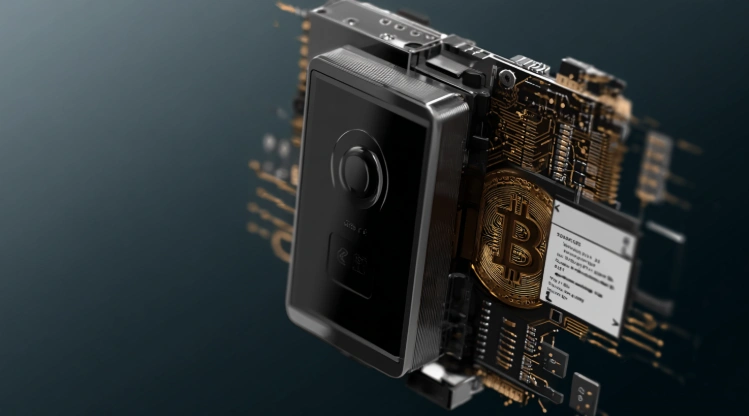
Is Crypto Ledger safe compared to alternative storage methods provides context for understanding protection levels across different approaches. Each storage method involves tradeoffs between security, convenience, and other factors that users must evaluate based on individual circumstances.
The cold wallet approach of hardware devices provides maximum security for self-custody scenarios. Exchange custody offers convenience but introduces counterparty risk and has resulted in massive losses through platform failures and hacks. Software wallets provide moderate convenience with significantly lower security than hardware alternatives.
Ledger vs Alternative Storage Methods
| Storage Method | Security Level | Key Threats | Best Use Case |
|---|---|---|---|
| Ledger hardware wallet | Very high | Physical theft, phishing | Long-term storage |
| Trezor hardware wallet | High | Physical attacks, phishing | Long-term storage |
| KeepKey hardware wallet | High | Similar to Trezor | Long-term storage |
| Software hot wallet | Moderate | Malware, device theft | Small active balances |
| Exchange custody | Variable | Platform failure, hacks | Active trading only |
| Paper wallet | Low-moderate | Damage, import risks | Cold storage backup |
| Brain wallet | Very low | Memory failure, brute force | Not recommended |
Hardware wallets including Ledger, Trezor, and KeepKey all provide significantly better security than software alternatives. Differences in security architecture exist between brands, with Ledger's certified secure elements providing the most rigorous protection against physical attacks.
For security architecture, see our Crypto Ledger Security guide. For private key protection, visit Crypto Ledger Private Keys. For phishing protection, see Crypto Ledger Phishing Protection.
Frequently Asked Questions
Purchase only from Ledger directly or authorized resellers listed on Ledger's website. Third-party marketplace purchases risk receiving tampered devices. The genuine check helps detect compromise but direct purchase eliminates this risk.
No cryptocurrency losses have been attributed to Ledger hardware wallet security failures. Losses occur when users voluntarily reveal recovery phrases through phishing or store phrases insecurely.
Yes for security, with caveats. Hardware wallets eliminate exchange counterparty risk but require user responsibility for key management. Exchanges provide insurance and recovery options that self-custody cannot.
The breach affected customer data, not wallet security. The incident demonstrated separation between business systems and cryptographic security. Users should evaluate based on the security architecture analysis rather than the unrelated database incident.
Ledger protects significant holdings effectively when used correctly. Large holders should implement additional measures including distributed backups, multi-signature arrangements, and professional security consultation.
Hardware durability exceeds 10 years. The BIP-39 recovery phrase remains valid indefinitely and works with alternative wallets. Long-term safety depends more on backup maintenance than device longevity.
Both use identical secure elements with equivalent cryptographic protection. Nano X adds Bluetooth, which introduces additional attack surface but remains secure through encrypted communication. Choose based on features rather than security differences.